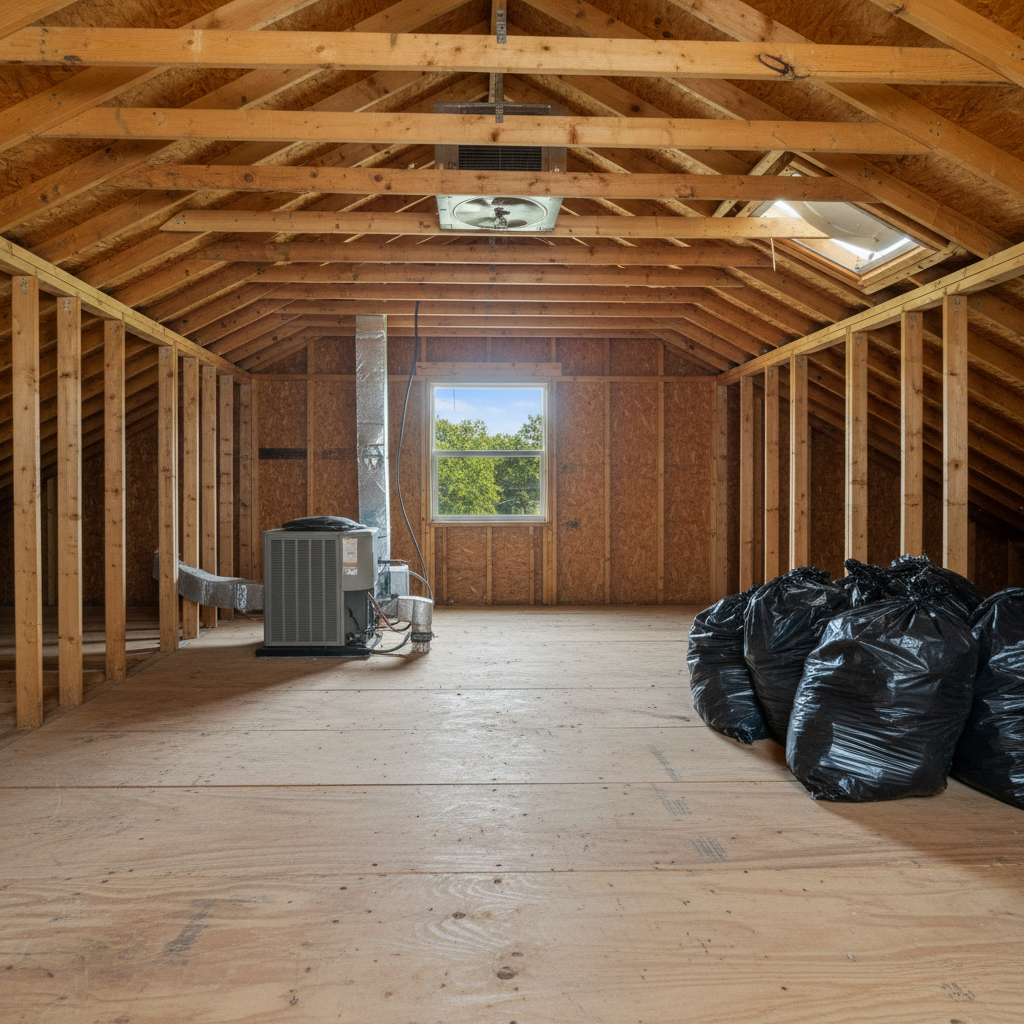
So, you're thinking about getting rid of some old insulation. Maybe it's got mold, maybe critters have moved in, or perhaps you're just upgrading to something better, more efficient. Whatever the reason, one of the first questions I always hear is, "What's this going to cost me?" That's a totally fair question, and I'm here to give you some straight talk based on what we see here at Alpha Insulation Co.
What Makes Insulation Removal Prices Change?
There's no single, flat fee for pulling out old insulation, and frankly, anyone who tells you there is probably isn't being completely honest. A bunch of different things can push the price up or down. You really need to think about:
- What Kind of Insulation It Is: Loose-fill fiberglass or cellulose is usually quicker and easier to remove than old, matted-down batt insulation, especially if it's been sitting there for decades, packed in tight. Vermiculite? That's a whole different story because it often has asbestos. That means specialized handling and disposal, which really drives the cost up.
- How Much Insulation There Is: This one's pretty obvious, right? More insulation means more time, more bags, and higher disposal fees. We figure this out by looking at the square footage and how deep it is.
- How Easy It Is to Get To: Can we easily get into your attic? Or is it a super tight crawl space? Are there things in the way, like HVAC ducts or old wiring we have to work around? The tougher it is to access and move around in, the longer the job takes, and that bumps up the labor cost. A low-pitch roof or a really cramped attic in a bungalow off Aquarena Springs, for instance, can make a huge difference.
- Is It Contaminated?: This is a big deal. If your insulation is full of rodent droppings, mold, or mildew, we have to take extra precautions. We're talking special suits, respirators, HEPA-filtered vacuums, and careful bagging to make sure we don't spread those contaminants through your house. This isn't just about making the job harder; it's about keeping you and our crew safe.
- Disposal Fees: Landfills charge us by weight or volume. Contaminated stuff often costs more to get rid of. We absolutely have to factor that in.
- Where You're Located: We're right here in San Marcos, so if your home is way out in the sticks, there might be a small travel fee. But generally, within our service area, it's not a huge factor.
Typical Cost Ranges for Insulation Removal in San Marcos
Okay, let's get down to some numbers. These are general ranges, but they should give you a pretty good idea:
- Standard Loose-Fill (Fiberglass/Cellulose), No Contamination: For a typical attic (say, 1,000-2,000 sq ft) that's easy to get into, you're usually looking at about $1.00 to $2.50 per square foot. So, a 1,500 sq ft attic might cost you anywhere from $1,500 to $3,750. This price includes vacuuming it all out and bagging it up.
- Batt Insulation, No Contamination: This can be a bit more work to pull out, especially if it's stapled down or really stuck. Expect to pay $1.50 to $3.00 per square foot.
- Contaminated Insulation (Rodents/Mold): This is where the price really jumps. Because of the specialized equipment, safety rules, and the possibility of extra cleaning or sanitizing, you could be looking at $3.00 to $6.00+ per square foot. Often, this includes a sanitization spray after we remove everything.
- Vermiculite (If Asbestos Is Suspected): If you have vermiculite, you absolutely, positively need to get it tested first. If it does contain asbestos, the cost goes through the roof. We're talking $8.00 to $20.00+ per square foot, and sometimes even more, depending on how much there is and what specific remediation is needed. This isn't a job for just any insulation company; you need certified asbestos abatement specialists for this kind of thing.
So, for an average 1,500 sq ft attic, a basic, clean removal might be $1,500-$3,750. If it's contaminated, that could easily jump to $4,500-$9,000+. See how fast those numbers change?
What Your Quote Should Include
When you get a quote from Alpha Insulation Co. — or any other reputable contractor, for that matter — make sure it's detailed. It should clearly spell out:
- What We're Doing: Exactly which areas are being cleared (e.g., "attic, 1,500 sq ft").
- How We'll Remove It: Vacuuming, hand-bagging, etc.
- Contamination Steps: If it applies, what steps they'll take to contain and clean up.
- Disposal: Confirmation that all removed materials will be properly disposed of.
- Cleanup: What kind of cleanup you can expect (like vacuuming the work area).
- Timeline: An estimated start and finish date.
- Total Cost: A clear, itemized total.
Don't just accept a number scribbled on a napkin. You really need to know what you're paying for.
How to Make Sure You Don't Overpay
You don't want to get ripped off, and honestly, I don't want you to either. Here's my best advice:
- Get Several Quotes: This is just standard practice for any home improvement project. Get at least three detailed quotes. Don't automatically pick the cheapest one; compare what each one actually includes.
- Ask for References: A good contractor will have plenty of happy customers.
- Check Licenses and Insurance: Make sure they're properly licensed and insured. This protects you if something goes wrong, you know?
- Be Careful with Super Low Bids: If one quote is way lower than all the others, there's usually a reason. They might be cutting corners on safety, disposal, or cleanup, and that'll probably cost you more in the long run.
- Understand Everything: Don't be shy about asking questions. If something in the quote isn't clear, get clarification in writing.
Insulation removal isn't the most exciting job, but it's often the necessary first step toward a healthier, more energy-efficient home. Do your homework, ask the right questions, and you'll get a fair price for a job done right.